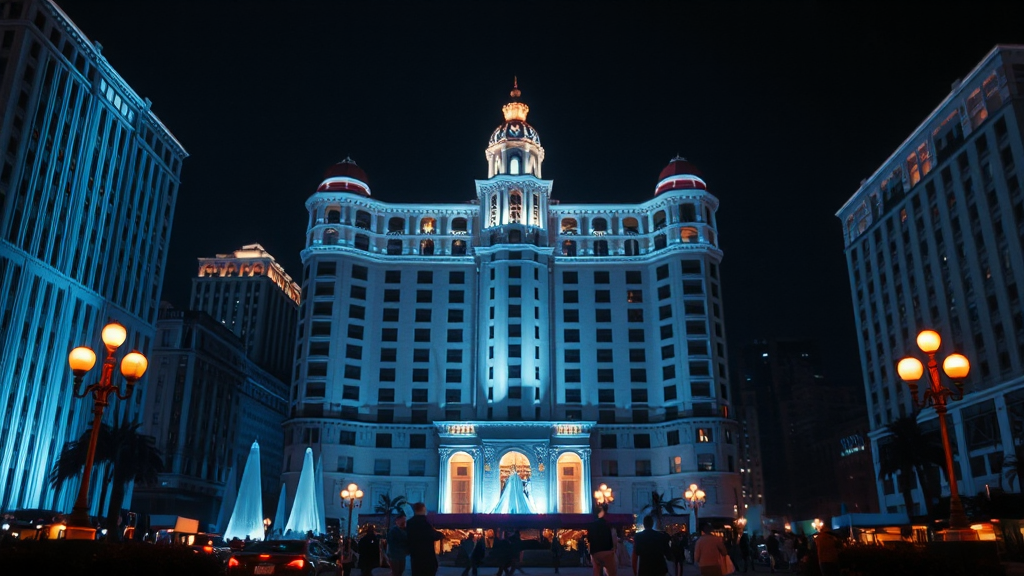
Exploring the Essence of Distinctive Hospitality and Modern Comfort
In the ever-evolving world of travel and accommodation, discerning guests seek more than just a place to rest their heads. They crave experiences that blend timeless elegance with contemporary convenience. The modern hospitality landscape is rich with options, but truly exceptional stays are defined by a commitment to detail, personalized service, and a deep respect for local culture. This article delves into the core elements that elevate a hotel from a simple lodging to a memorable destination. From architectural charm to culinary excellence, we explore how properties create lasting impressions and why choosing the right environment matters for both leisure and business travelers. One such example of this dedication to quality is found at thebiltmorehotels, where every aspect of the guest experience is carefully curated.
The Art of Curated Guest Experiences
Hospitality is an art form that requires a delicate balance between anticipation and execution. The most successful hotels understand that each guest arrives with unique expectations, whether it be a seamless check-in process, a quiet workspace, or a recommendation for a hidden local gem. Curated experiences begin long before arrival, with personalized pre-stay communication and continue through every interaction. Staff training emphasizes empathy, cultural awareness, and proactive problem-solving. This approach transforms a standard overnight stay into a narrative that guests are eager to share. From the scent that greets you in the lobby to the quality of the linens, every sensory detail contributes to an overarching feeling of comfort and exclusivity. Properties that master this art often see higher rates of return visits and glowing testimonials, as they have successfully created an emotional connection with their clientele.
Architectural Harmony and Interior Design
The physical environment of a hotel plays a pivotal role in shaping the guest’s mood and perception. Modern travelers appreciate spaces that respect historical context while incorporating clean, functional design. A well-preserved Victorian facade with a minimalist interior can tell a compelling story of tradition meeting innovation. Lighting is a crucial element, with layered schemes that transition from bright, welcoming public areas to soft, intimate guest rooms. Furniture selection prioritizes both aesthetics and ergonomics, ensuring that a lobby chair is as inviting as it is photogenic. Color palettes often draw from the surrounding landscape, creating a sense of place that grounds the visitor. Attention to acoustics and spatial flow prevents common hotel frustrations like noise bleed or awkward circulation paths. When architecture and design work in concert, the building itself becomes a silent host, guiding guests through a visual journey that complements the service.
Culinary Journeys and Local Flavors
Food and beverage offerings have become a cornerstone of the hotel experience, often serving as a primary reason for choosing one property over another. The farm-to-table movement has deeply influenced hotel dining, with many establishments forging direct relationships with local producers, fishermen, and artisans. Breakfast is no longer a simple buffet but a curated menu featuring regional specialties and fresh, seasonal ingredients. Evening dining transforms into an event, with open kitchens, sommelier-led wine pairings, and tasting menus that tell the story of the region. Even the bar program has evolved, with craft cocktails using foraged herbs, house-made syrups, and local spirits. Room service has been reimagined to maintain quality and presentation, with options that go beyond the standard club sandwich. A strong culinary identity not only satisfies hunger but also deepens the cultural immersion, allowing guests to taste the destination.
Wellness and Rejuvenation in Modern Travel
Wellness has expanded far beyond a simple gym and a pool. Today’s travelers seek holistic health options that address physical, mental, and emotional well-being. Hotels are responding by integrating spa services that use indigenous ingredients, offering guided meditation sessions, and designing fitness centers with state-of-the-art equipment and virtual classes. Sleep programs have gained popularity, with amenities such as weighted blankets, aromatherapy diffusers, and pillow menus. Some properties even offer in-room yoga mats and wellness-focused mini-bars stocked with organic teas and healthy snacks. Outdoor spaces are being utilized for forest bathing, tai chi, or simply quiet reflection. The goal is to provide guests with tools to maintain their wellness routines while away from home, or to introduce new practices that can be incorporated into daily life. This focus on rejuvenation helps travelers return from their trip feeling restored, not exhausted.
Sustainable Practices and Responsible Tourism
Environmental stewardship is no longer a niche concern but a fundamental expectation for many guests. Hotels are adopting comprehensive sustainability programs that address energy consumption, water usage, waste reduction, and supply chain ethics. Single-use plastics are being phased out in favor of refillable amenities and glass bottles. Food waste is minimized through careful menu planning and composting initiatives. Many properties invest in renewable energy sources and smart building technologies that optimize heating and cooling. Beyond environmental efforts, responsible tourism also encompasses social impact, such as supporting local communities through employment, cultural preservation, and charitable partnerships. Guests increasingly seek out hotels that align with their values, and transparent reporting on sustainability metrics builds trust. These practices not only protect the destination for future generations but also often result in operational efficiencies and a stronger brand reputation.
Technology Integration Without Losing Human Touch
Technology in hospitality is a double-edged sword. When implemented thoughtfully, it enhances convenience and personalization; when overused, it can feel cold and impersonal. The ideal balance is a hybrid model where digital tools streamline routine tasks, freeing staff to focus on meaningful interactions. Mobile check-in and keyless entry reduce lobby wait times. In-room tablets allow guests to control lighting, temperature, and entertainment, as well as order services or concierge assistance. Smart mirrors and voice assistants can provide local information or weather updates. However, the human element remains irreplaceable. A warm greeting at the door, a concierge who remembers your preference for a quiet table, or a housekeeper who notices you need extra towels — these are the moments that define hospitality. The most successful hotels use technology as an enabler, not a replacement, ensuring that the guest experience feels both modern and genuinely caring.
FAQs
What should I look for when choosing a hotel for a special occasion?
When booking for a celebration or milestone, prioritize properties that offer personalized touches such as welcome amenities, room upgrades, or dedicated event coordination. Read recent reviews to gauge the staff’s ability to handle special requests. Look for hotels with unique dining options or spa packages that can enhance the occasion. It’s also wise to contact the property directly before booking to discuss your needs and confirm they can accommodate your vision.
How can I ensure a hotel stay is environmentally friendly?
Research the hotel’s sustainability policies on their official website or through third-party certifications such as Green Key or LEED. Look for practices like linen reuse programs, recycling bins in rooms, locally sourced food, and energy-efficient lighting. You can also contribute by turning off lights and electronics when leaving the room, refusing daily linen changes if not needed, and supporting on-site conservation efforts.
What amenities are most important for business travelers?
Business travelers typically value reliable high-speed Wi-Fi, a well-lit desk with accessible power outlets, and a quiet environment for calls. Additional amenities include a business center with printing services, express check-in/check-out, and flexible dining hours. Proximity to conference venues or transportation hubs is also a key factor. Some hotels now offer co-working spaces in the lobby to facilitate networking.
How do hotels ensure the safety and security of their guests?
Modern hotels implement multiple layers of security, including 24/7 front desk staffing, key card access for floors and rooms, CCTV in public areas, and secure luggage storage. Staff are trained in emergency procedures and often conduct regular drills. Guests should also take personal precautions, such as using in-room safes, not sharing room numbers publicly, and verifying the identity of anyone claiming to be hotel staff.
For readers who want to learn more about thebiltmorehotels, it helps to compare different approaches, read expert opinions, and consider how the topic fits into the broader general landscape.
Another key aspect of thebiltmorehotels is understanding how it relates to other topics in the same field. Many experts recommend starting with a clear overview before diving into specific techniques or strategies.