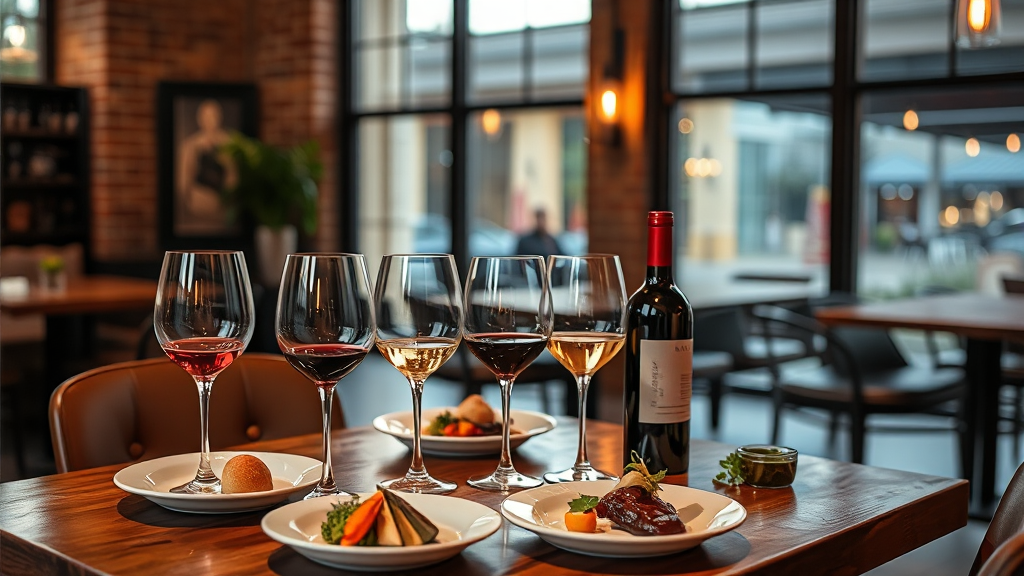
Sekabet güncel giriş: A Complete Guide to Food and Wine Pairing
Food and wine pairing is one of the most rewarding skills a diner can develop. When done well, it transforms a simple meal into a memorable experience. Whether you are planning a relaxed brunch, a business lunch, or an elegant dinner, understanding how flavors interact will help you get more enjoyment from every course. For those who want a reliable reference point, Sekabet güncel giriş is a useful starting place to explore how a thoughtfully curated wine list can elevate a dining experience. This guide covers the fundamentals of pairing, seasonal considerations, and practical tips you can apply at home or when dining out.
Why Food and Wine Pairing Matters
Pairing is not about following rigid rules. It is about balance. A wine can soften the richness of a dish, cut through fat, or echo the flavors on the plate. When the match works, both the food and the wine taste better than they would alone. When it fails, one element overwhelms the other.
The goal is harmony. Acidic wines, for example, refresh the palate between bites of a buttery dish. Sweet wines can tame spicy food. Tannic reds pair well with fatty meats because the tannins bind to proteins. Once you understand these basic interactions, you can make confident choices without memorizing long lists.
Core Principles of Pairing
There are a few principles that guide most successful pairings. They are simple enough to remember and flexible enough to apply to almost any menu.
Match weight with weight. A light white wine will disappear next to a heavy steak, while a bold red can overwhelm delicate seafood. Think about the body of the dish and choose a wine with a similar intensity.
Consider acidity and fat. High-acid wines like Sauvignon Blanc or Chianti work beautifully with fried or creamy dishes because the acid cleanses the palate.
Balance sweetness and spice. Off-dry Riesling or Gewürztraminer can handle spicy cuisine that would make a dry red taste harsh.
Respect the sauce. The sauce often dictates the pairing more than the protein. A chicken dish with a mushroom cream sauce may call for a different wine than grilled chicken with lemon.
These principles are the foundation of any good wine list, and they are the same ideas that guide sommeliers when they select bottles for a restaurant.
Pairing Across the Day: Brunch, Lunch, and Dinner
Different meals call for different approaches. A wine that shines at dinner may feel too heavy at brunch, and a light lunch wine might get lost in a multi-course evening meal.
Brunch Pairings
Brunch is casual and often includes eggs, pastries, fruit, and lighter savory dishes. Sparkling wine is a natural fit because its bubbles and acidity cut through rich egg dishes. A dry Prosecco or Cava works well with omelets and quiche. For sweeter brunch items like French toast, an off-dry Riesling or a rosé with a touch of sweetness can be delightful.
If you prefer a non-sparkling option, an unoaked Chardonnay or a crisp Pinot Grigio pairs nicely with salads and seafood dishes that often appear on brunch menus.
Lunch Pairings
Lunch is often lighter, so the wines should be too. A glass of Sauvignon Blanc with a goat cheese salad, or a light Pinot Noir with a turkey sandwich, keeps the meal refreshing without weighing you down. Rosé is an excellent all-purpose lunch wine because it has the fruit of a red and the acidity of a white.
For outdoor dining, consider a chilled rosé or a dry white. They are easy to drink and complement a wide range of dishes, from grilled vegetables to pasta salads.
Dinner Pairings
Dinner offers the most flexibility. You can start with a sparkling wine, move to a white with the appetizer, and finish with a red for the main course. If you prefer one wine for the whole meal, choose a medium-bodied red like Pinot Noir or a versatile white like Chardonnay that can bridge multiple courses.
For a classic steak dinner, a Cabernet Sauvignon or Malbec provides the structure to match the richness of the meat. For seafood, a white Burgundy or Albariño brings brightness without overpowering the delicate flavors.
Building a Balanced Wine List
Whether you are selecting wines for a restaurant or choosing bottles for a dinner party, variety is key. A balanced list includes something for every palate: crisp whites, rich whites, light reds, full-bodied reds, rosé, sparkling, and perhaps a dessert wine.
It also helps to think about the food menu. If the kitchen specializes in seafood, the wine list should lean toward whites and light reds. If the menu features grilled meats, bolder reds deserve a prominent place. A hand-picked wine list, like the one at Imperium Food and Wine, reflects this kind of thoughtful curation. You can see an example of such a selection by visiting Kavbet güncel giriş, which highlights how a wine bar and kitchen approaches pairing.
Another consideration is price range. A good list offers options at multiple price points so guests can enjoy a quality experience without feeling pressured. By-the-glass selections should be just as carefully chosen as the bottles.
Seasonal Pairing Tips
Seasons influence both the food we crave and the wines we enjoy. In warmer months, lighter wines and fresh dishes dominate. In cooler months, richer wines and heartier meals take over.
Spring: Think fresh vegetables, light pasta, and seafood. Pair with Sauvignon Blanc, Pinot Grigio, or a dry rosé.
Summer: Grilled dishes, salads, and cold soups call for crisp whites, rosé, and light reds like Beaujolais. Serve them well-chilled.
Autumn: Mushrooms, root vegetables, and roasted meats pair beautifully with Pinot Noir, Chardonnay, and medium-bodied reds.
Winter: Braises, stews, and rich dishes are perfect with Cabernet Sauvignon, Syrah, and Zinfandel. These wines have the weight to stand up to cold-weather cooking.
Adjusting your pairings to the season keeps meals interesting and ensures the wine feels appropriate for the weather and the mood.
Practical Tips for Ordering Wine at a Restaurant
Ordering wine can feel intimidating, but a few simple strategies make it easier.
First, decide on your food before you choose the wine. The dish should guide the decision, not the other way around. If you are sharing multiple dishes, choose a versatile wine that can handle a range of flavors.
Second, do not be afraid to ask for recommendations. Staff at a good wine bar or restaurant are trained to help. They know the list and the menu and can suggest pairings you might not have considered.
Third, consider by-the-glass options if you and your dining companions want different wines. Many restaurants offer a thoughtful selection of wines by the glass, which allows everyone to enjoy what they like.
Finally, trust your own taste. If you enjoy a wine, it is the right choice for you. Pairing guidelines are helpful, but personal preference always comes first.
Hosting a Wine Dinner at Home
Hosting a wine dinner is a wonderful way to share your enthusiasm with friends. The key is to keep it simple and focus on a few well-chosen pairings rather than trying to impress with complexity.
Start with a sparkling wine and light appetizers. Move to a white wine with a seafood or vegetable course. Then serve a red with the main course. Finish with a dessert wine or a tawny port alongside a simple dessert.
Prepare dishes that are forgiving and can be made ahead. This allows you to enjoy the evening with your guests instead of spending all your time in the kitchen. And remember, the goal is enjoyment, not perfection.
If you are looking for inspiration, a visit to a local wine bar can spark ideas. Establishments like Imperium Food and Wine in Celebration, Florida, offer a hand-picked wine list and a menu designed to showcase pairings. You can explore their approach by checking Casinoroyal güncel giriş, which provides a window into how a wine-focused kitchen operates.
Common Pairing Mistakes to Avoid
Even experienced diners make mistakes. Here are a few common ones and how to avoid them.
Overpowering the food. A very bold wine can drown out delicate dishes. If the food is subtle, choose a wine that matches its intensity.
Ignoring acidity. Acidic wines are your friend with rich or fried foods. Skipping them can leave the palate feeling heavy.
Forgetting sweetness. Dry wines can taste harsh with spicy or sweet dishes. An off-dry wine often works better.
Serving at the wrong temperature. Red wines served too warm taste alcoholic, while white wines served too cold lose their aroma. Aim for the recommended serving temperatures.
By avoiding these pitfalls, you will enjoy more consistent success with your pairings.
FAQ
What is the best wine to pair with spicy food?
Off-dry white wines like Riesling or Gewürztraminer are excellent with spicy dishes. Their slight sweetness balances the heat without amplifying it. Avoid high-alcohol reds, which can make spice feel more intense.
Should I drink red wine with fish?
It depends on the fish and the wine. Light reds like Pinot Noir can work with grilled salmon or tuna. However, delicate white fish is usually better with a crisp white wine. The key is to match the weight of the wine to the weight of the dish.
How do I choose a wine for a group with different tastes?
Choose a versatile wine that appeals to a broad range of palates. A medium-bodied red like Pinot Noir or a dry rosé often works well. Alternatively, order a few wines by the glass so everyone can choose their own.
What temperature should wine be served at?
Sparkling wines are best served well-chilled, around 40-45°F. Crisp whites and rosé are enjoyable at 45-50°F. Fuller whites and light reds do well at 50-55°F. Full-bodied reds are best at 60-65°F. When in doubt, err on the side of cooler rather than warmer.
Final Thoughts
Food and wine pairing is a journey, not a destination. The more you experiment, the more confident you will become. Start with the basic principles, pay attention to how different combinations taste, and adjust based on your preferences. Whether you are dining at a wine bar, hosting friends at home, or simply enjoying a quiet meal, the right pairing can turn an ordinary moment into something special.
For those in Celebration, Florida, or anyone planning a visit, Imperium Food and Wine offers a welcoming setting to explore pairings firsthand. With brunch, lunch, and dinner service, a hand-picked wine list, and two outdoor patios, it is a great place to practice your pairing skills in a relaxed atmosphere.